“Tired of all who come with words, words but no language
I went to the snow-covered island.
The island does not have words.
The unwritten pages spread out on all sides!
I come upon the tracks of roe deer in the snow.
Language but no words.”
—Tomas Tranströmer, “From March ’79”
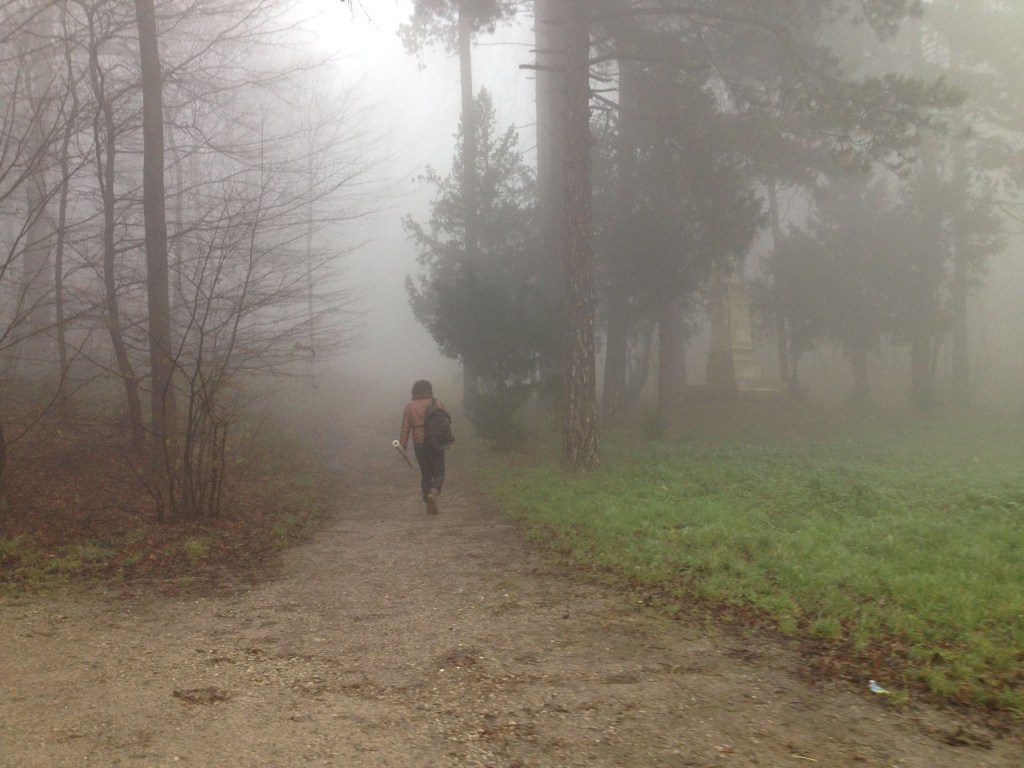


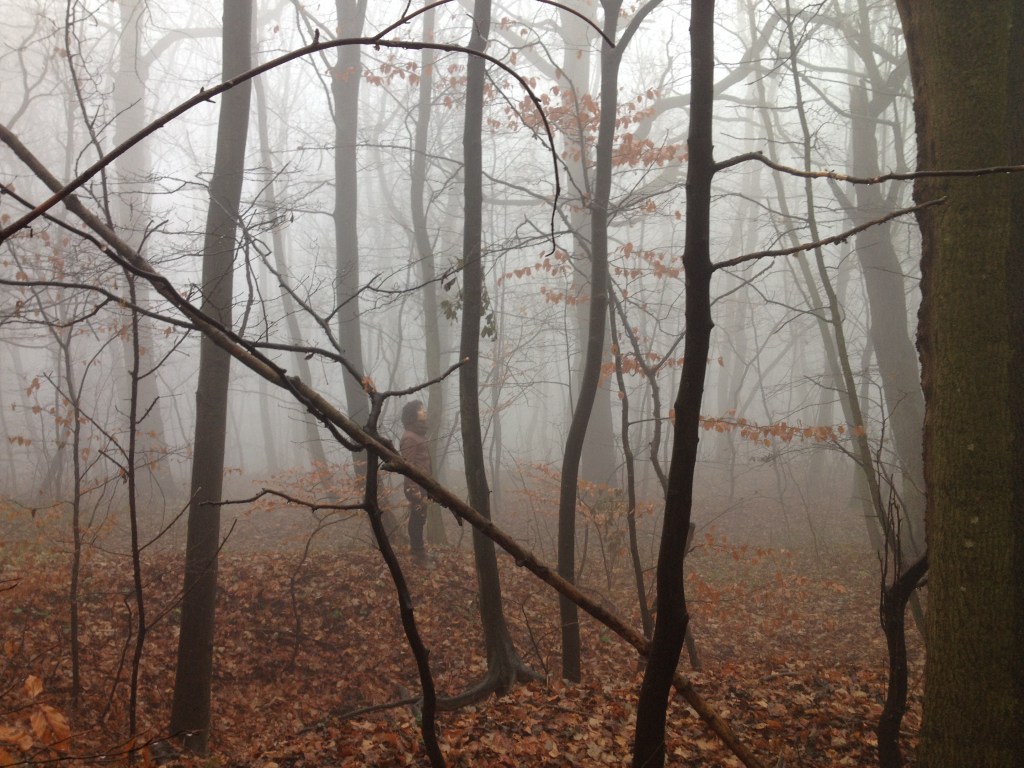
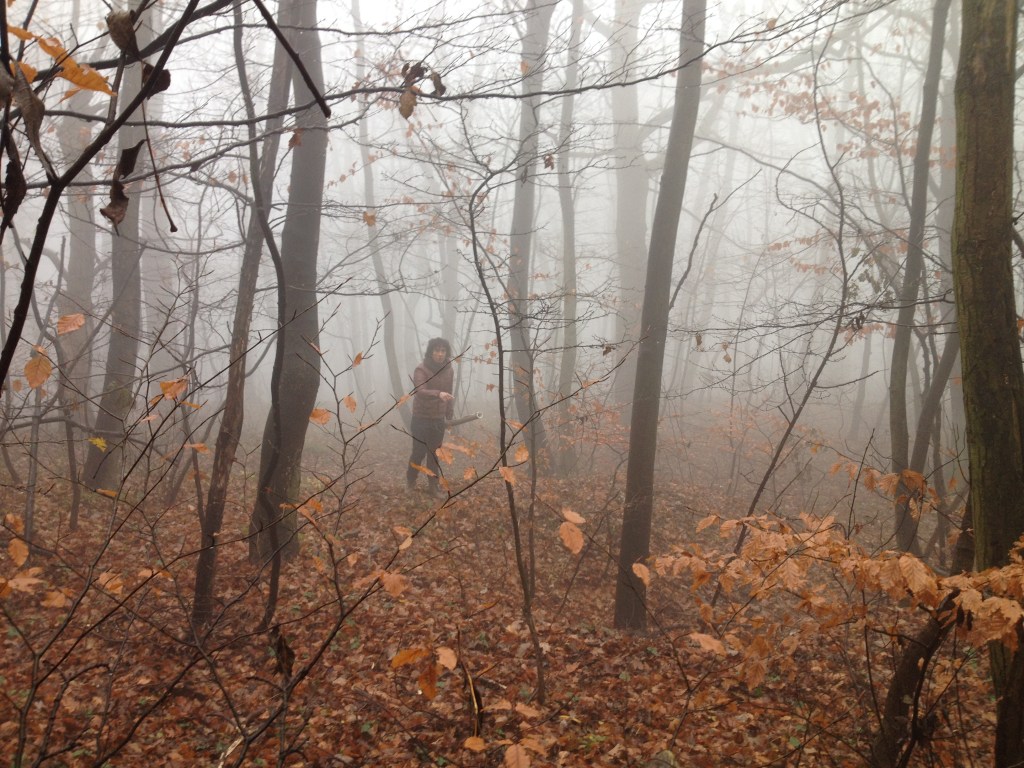


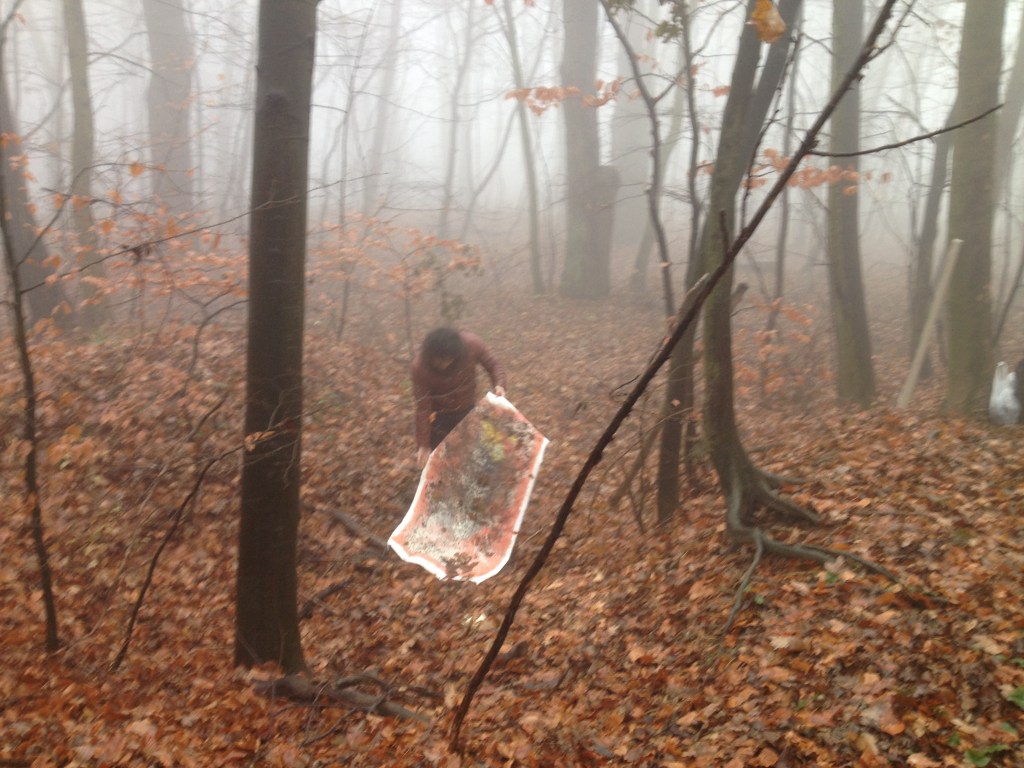

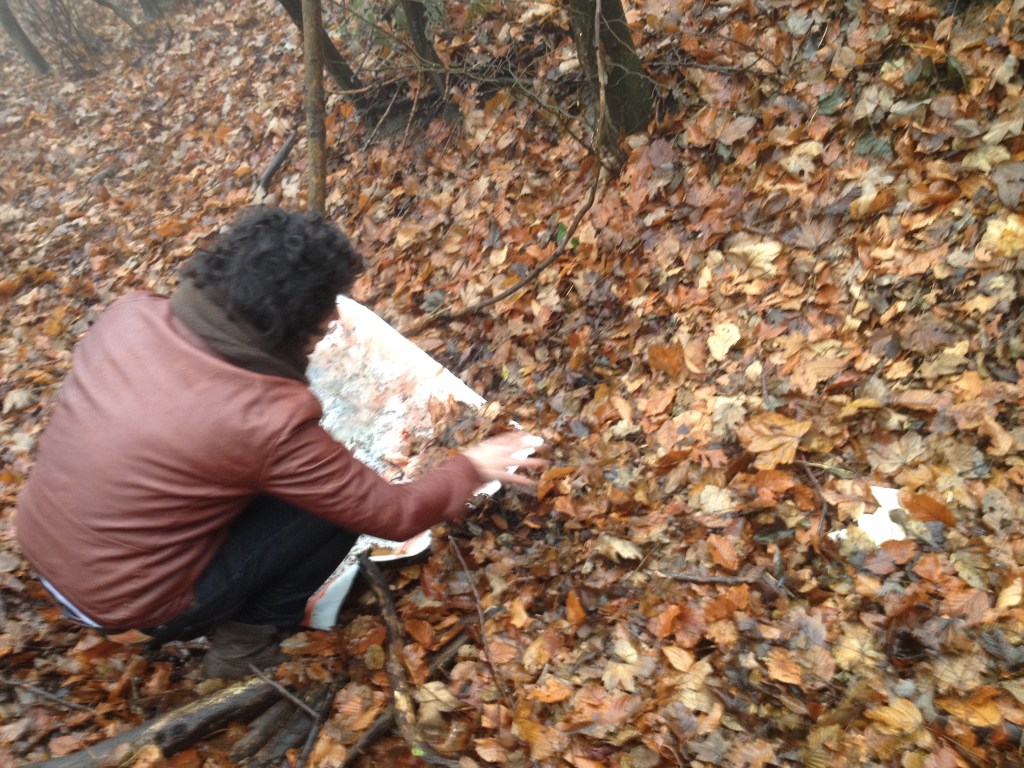

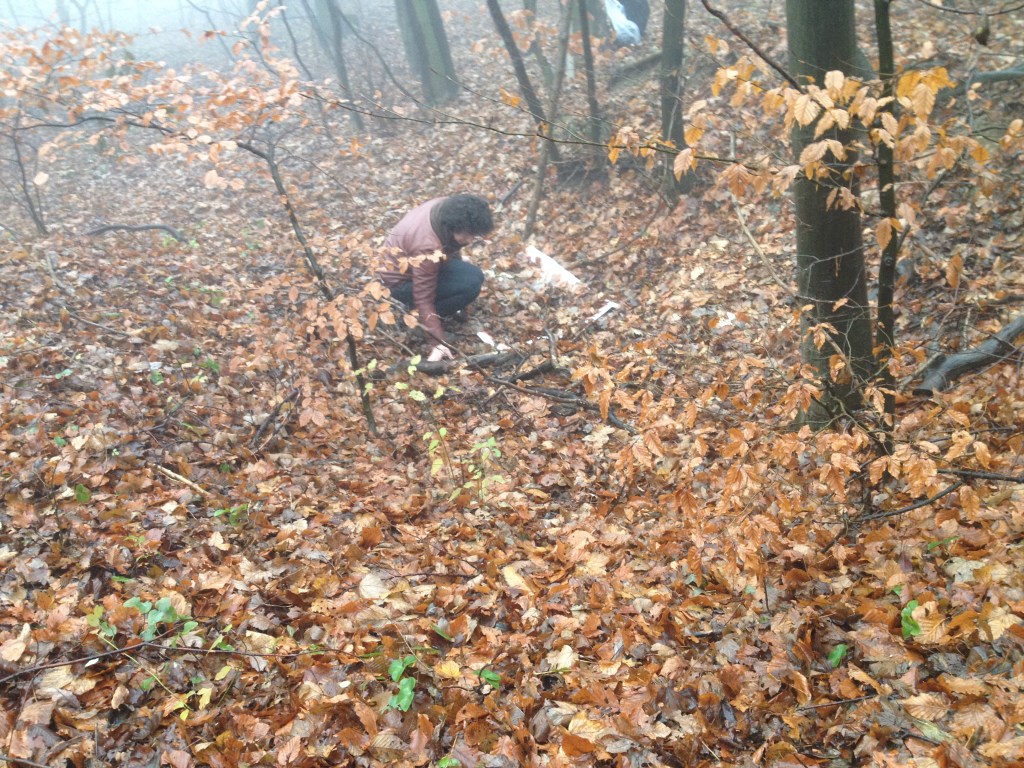
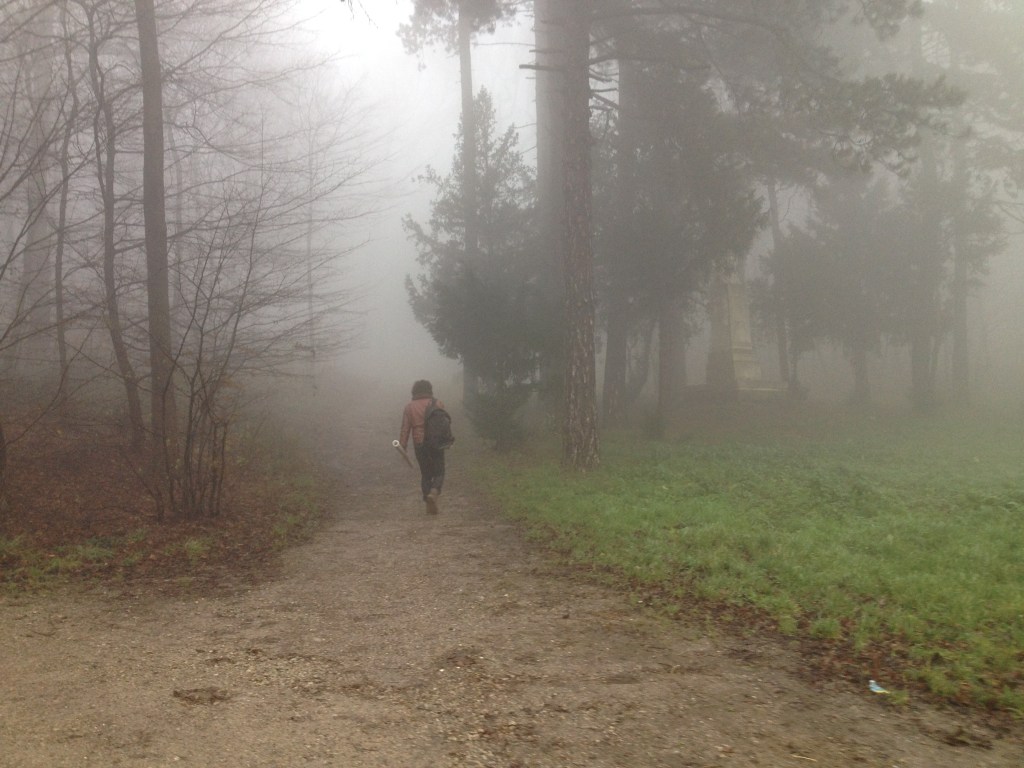

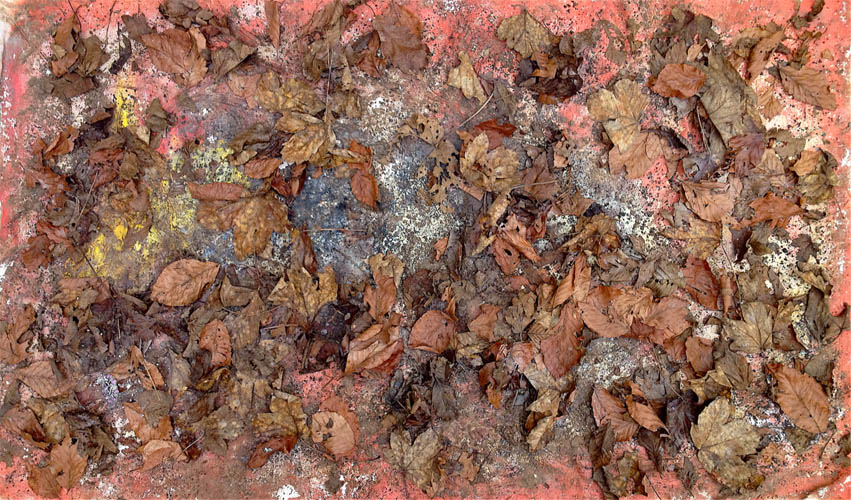
I carried a piece of canvas into the forest. Not to hide it, but to listen. I buried it beneath the frozen earth of the Viennese woods and let the environment act upon it—its moisture, its cold, the passing of time. Mist and clouds became its cloak. I returned to see it before the snow covered the forest. When I unearthed it, I discovered that the canvas had acquired an inner form, as if the cold had deposited an invisible base of color upon it. I applied several layers of varnish and pigment, then buried it again.
Soon after, the forest lay beneath a cover of snow. The canvas remained there, in the belly of the woods — as if inside a slow and silent furnace. There was no fire, and yet there was alchemy: the color beneath the earth, the form in sleep, the artwork alive without being seen.
Something invisible—the forest, the weather, the waiting—left marks that cannot be wholly attributed to anyone. Even the noises seek a language. In this project, that language was painting.
When the snow melted, I returned. I unearthed the canvas and painted over the traces left by the landscape. My gesture joined with nature’s. The human with time. Silence with image. The photographs that accompany this process document that cycle: bury, wait, discover, continue.
This is not merely a finished artwork. It is a memory that emerged from the hidden, like portraits “no one painted” and yet hang in the gallery of the forest.
Thus this piece was born—as an intimate dialogue between painting and landscape. As a ritual of transformation. As an image that could only emerge after the snow.
 Alfonso Castillo Delgadillo